
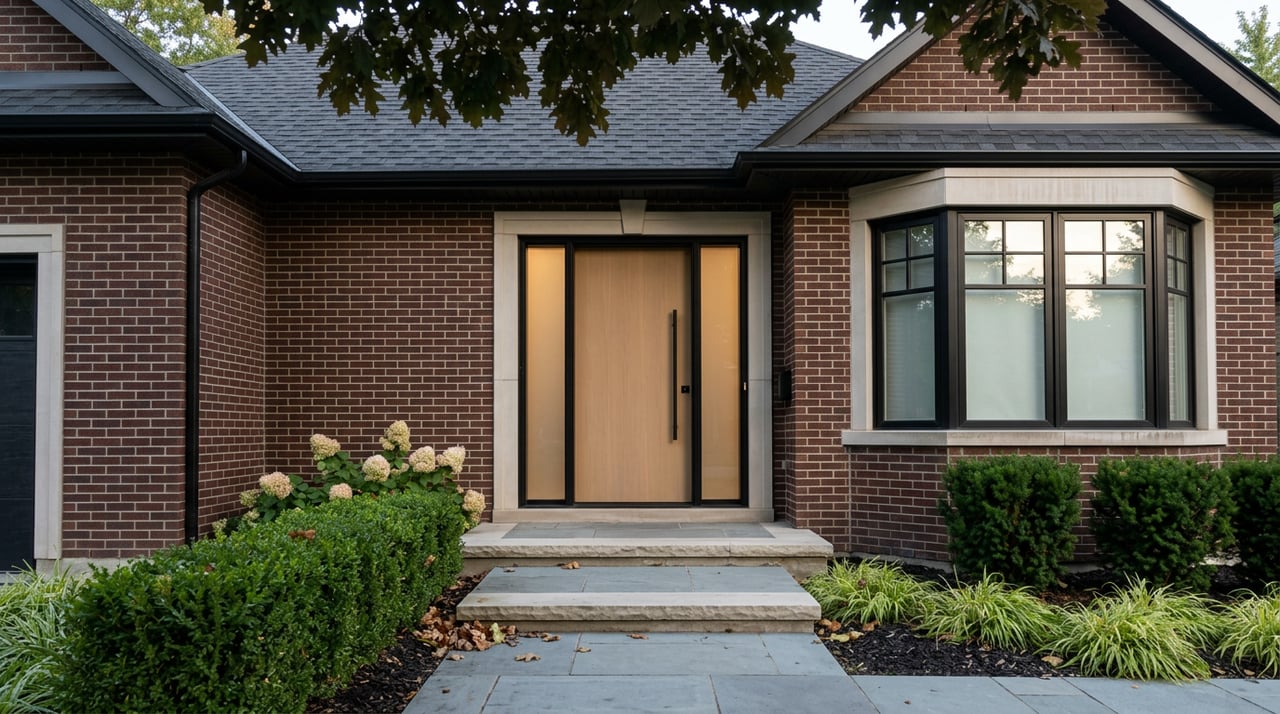
Thinking about trading your city home for a simpler, high‑finish lifestyle without losing the good stuff? You are not alone. Many repeat buyers want less maintenance, strong amenities, and a shorter to‑do list while keeping quality and convenience. In this guide, you will see how Oak Brook delivers that balance, what home types fit a downsizer, how HOAs and taxes work, and a step‑by‑step plan to time your move smoothly. Let’s dive in.
Why Oak Brook fits luxury downsizing
Oak Brook sits about 15 miles west of downtown Chicago with a compact footprint and a polished, suburban feel. You get upscale housing, curated amenities, and excellent regional access. The market runs higher than many suburbs, which reflects the finish level and lot options you will find.
Lifestyle is the hook. At the heart of the village, Oakbrook Center brings luxury and everyday shopping, dining, and services together in one place. It is a major convenience if you want a walkable destination without a city address.
You also get a full slate of recreation. The Oak Brook Park District offers fitness, pools, tennis and pickleball, and year‑round programs. Golfers can tap into Oak Brook Golf Club for a semi‑private club experience close to home.
One practical note. Oak Brook is a drive‑first suburb. There is no Metra station in the village. Most residents plan short drives to nearby stations or use direct highway access for commuting and travel.
What luxury downsizing looks like
Downsizing in Oak Brook does not mean giving up quality. It means choosing a home that trims maintenance while keeping finish level, privacy, and smart floor plans.
Lock‑and‑leave condos and townhomes
If you want the lowest maintenance, mature condo and townhome communities are your best fit. These buildings often offer elevator access, climate‑controlled parking, clubhouses, fitness rooms, and on‑site management. Typical plans run one to two bedrooms plus a den, with in‑unit laundry and generous storage.
Full‑service HOAs are common in these complexes. A representative example shows monthly dues around 1,300 dollars that cover exterior maintenance, landscaping, snow removal, building‑envelope insurance, and shared amenities. You get true lock‑and‑leave convenience.
New or gated estate enclaves
Prefer more privacy while shrinking your interior footprint. Oak Brook features newer gated communities where you can build or buy a right‑sized luxury home with high finishes and smart single‑level living. Some enclaves offer 2 to 4 acre home sites, including examples around 3.24 acres, which allow space for outdoor living without the upkeep of a city lot.
These homes typically highlight open kitchens with premium appliances, spa‑style primary suites, and integrated tech. Many prioritize a main‑floor primary and minimal stairs for easy day‑to‑day living.
Right‑size single‑family on mature lots
You can also find traditional single‑family homes on established streets, especially ranches or transitional two‑stories with main‑level suites. These properties give you a private yard sized for relaxation instead of weekend work. Simple landscaping plans and professional services can keep maintenance light while you enjoy the space.
Floor plans and finishes that matter
For most downsizers, the must‑have list is clear and practical.
- Main‑floor primary suite or true single‑level living
- Elevator access and heated, secure garage parking in condo buildings
- Open kitchen with high‑end appliances and generous storage
- Spa‑inspired primary bath with double vanity and large shower
- In‑unit laundry and well‑designed mudroom or utility space
- Smart home features for security, lighting, and climate
- Outdoor space that is easy to maintain, like a terrace or small yard
In Oak Brook, these features tend to drive value and day‑to‑day comfort. Focus on flow, accessibility, and materials that wear well over time.
HOA, maintenance, and monthly costs
Monthly costs can vary widely. In smaller townhome communities, HOA dues may be in the low hundreds and cover limited exterior items. In full‑service condo communities, expect higher dues that include exterior maintenance, landscaping, snow removal, building‑envelope insurance, amenities, and often on‑site staff.
Ask for specifics before you buy. A thorough review can prevent surprises.
- Bylaws, declarations, and rules
- Current budget and most recent reserve study
- Recent meeting minutes and any planned special assessments
- Rental and pet policies
- What the HOA insures versus the owner’s responsibility
- Maintenance scope for windows, balconies, and mechanicals
Property taxes deserve a close look as well. The Village of Oak Brook states that it does not levy a general municipal real estate tax, relying instead on sales tax revenue. Owners still pay county, school, park, and other taxing districts on their bills. Review a sample tax bill for any property you are considering and confirm what is included. You can read the village’s tax overview on the Village of Oak Brook taxes page.
Keep the lifestyle, skip the chores
Downsizing should feel like an upgrade. Oak Brook helps you hold on to the city conveniences you love while trimming time spent on home care.
- Shopping and dining. Oakbrook Center brings a deep tenant mix, from luxury brands to everyday essentials, plus a growing restaurant scene.
- Fitness and community. The Oak Brook Park District offers memberships, drop‑in classes, aquatics, and social programs so you can stay active nearby.
- Golf and green space. Oak Brook Golf Club and local parks trade yard work for curated outdoor experiences.
- Travel made easy. Proximity to I‑88 and I‑294 puts you on the region’s toll network quickly for both airport and suburban trips.
Because the village is car‑oriented, plan realistic drive times for errands, dining, and any Metra connections in nearby suburbs. Many residents find the tradeoff worth it for the quality of housing and the overall ease of living.
How to time your city sale and Oak Brook purchase
If you are moving from a Chicago home, the sequence you choose will shape your stress level and bottom line. Here is a clear framework to evaluate your options.
Choose your move path
- Sell first. You lock in proceeds and avoid carrying two mortgages. You may need a short‑term rental or a negotiated post‑closing occupancy to bridge to your Oak Brook closing.
- Buy first without a sale contingency. Your offer is stronger in competitive segments, but you must qualify to carry two mortgages, tap cash, or use temporary financing such as a bridge loan or HELOC. These come with higher costs and stricter underwriting, so get written scenarios from your lender before you shop.
- Make a contingent offer. You tie your purchase to the sale of your city home. This is less attractive to some sellers. You can strengthen it with larger earnest money, a well‑documented pricing and marketing plan, and a firm kick‑out window.
- Aim for back‑to‑back closings. With tight coordination, you can sell and buy on the same day. Build calendar buffers for title, funding, and move logistics.
Your step‑by‑step checklist
- Get a data‑driven net sheet for your city home. Review local comps and timing so you understand likely proceeds and days on market.
- Secure pre‑approval for your Oak Brook price point. Ask your lender for written buy‑first or bridge scenarios and confirm any reserves required.
- Do a pre‑listing checkup. Handle small repairs and updates that reduce renegotiation risk, like mechanical service, paint, and minor exterior touch‑ups.
- Stage and photograph to the right buyer. Emphasize turnkey living, storage, and low‑maintenance finishes that appeal to downsizers.
- Set a contract strategy. If you plan a non‑contingent offer, line up proof of funds or a signed sale contract. If contingent, negotiate a clear kick‑out period that fits your timeline.
- Plan moving logistics early. Reserve movers and storage, and line up a short‑term fallback such as a furnished rental or a seller rent‑back.
What to look for during showings
- Entry and circulation. Can you move easily from garage to kitchen with groceries. Is there an elevator for condo access and a minimal number of steps for single‑family.
- Storage and utility. Confirm in‑unit laundry, linen space, and a place for seasonal gear.
- Sound and privacy. Check window quality, building construction, and site placement.
- HOA scope. Match what you see on site to what the documents promise. Ask about recent projects and reserve levels.
- Operating costs. Confirm utilities, HOA dues inclusions, and estimated taxes for the actual parcel.
The bottom line
You can right‑size in Oak Brook without giving up luxury or convenience. Focus on the home type that fits how you live, understand your monthly costs, and map your sale‑and‑purchase timeline with care. When you put those pieces together, you get everyday ease, premium finishes, and a softer to‑do list.
Ready to build a plan tailored to your move. Book a Market Strategy Call with Amanda Stapleton for a private consult, pricing insight, and a custom timeline.
FAQs
What does luxury downsizing mean in Oak Brook
- It means choosing a smaller, higher‑finish home that cuts maintenance while keeping quality and amenities, such as single‑level living, secure parking, and access to shopping and recreation.
How much are typical HOA dues in Oak Brook
- Dues vary. Smaller townhome communities may be in the low hundreds per month, while full‑service condos can be around the low four figures and often include exterior maintenance, landscaping, snow removal, building‑envelope insurance, and amenities.
Are property taxes lower in Oak Brook than in Chicago
- Oak Brook does not levy a general municipal real estate tax, but owners still pay county, school, park, and other districts. Review the Village of Oak Brook tax overview and verify the tax bill for any home you consider.
Will I still have easy access to dining and shopping after I move
- Yes. Oakbrook Center is a major retail and dining hub, and many communities sit a short drive from it, giving you city‑level convenience without city upkeep.
Is there a Metra station in Oak Brook
- No. Oak Brook does not have its own Metra station. Many residents drive a short distance to nearby stations in adjacent suburbs or rely on highway access for commuting.
What are my options for aligning my city sale with an Oak Brook purchase
- You can sell first, buy first without a sale contingency, write a contingent offer with a kick‑out clause, or coordinate back‑to‑back closings. Your choice depends on your financing, risk tolerance, and market timing.
What features should I prioritize for long‑term comfort
- Look for a main‑floor primary or true single‑level plan, elevator access, secure heated parking, in‑unit laundry, high‑quality fixtures, and outdoor space that is simple to maintain.
Why are so many buyers downsizing now
- National data shows older repeat buyers make up a large share of moves and often want to be near family or simplify their footprint, which supports demand for smaller but well‑finished homes. See the NAR generational trends summary for context.
