
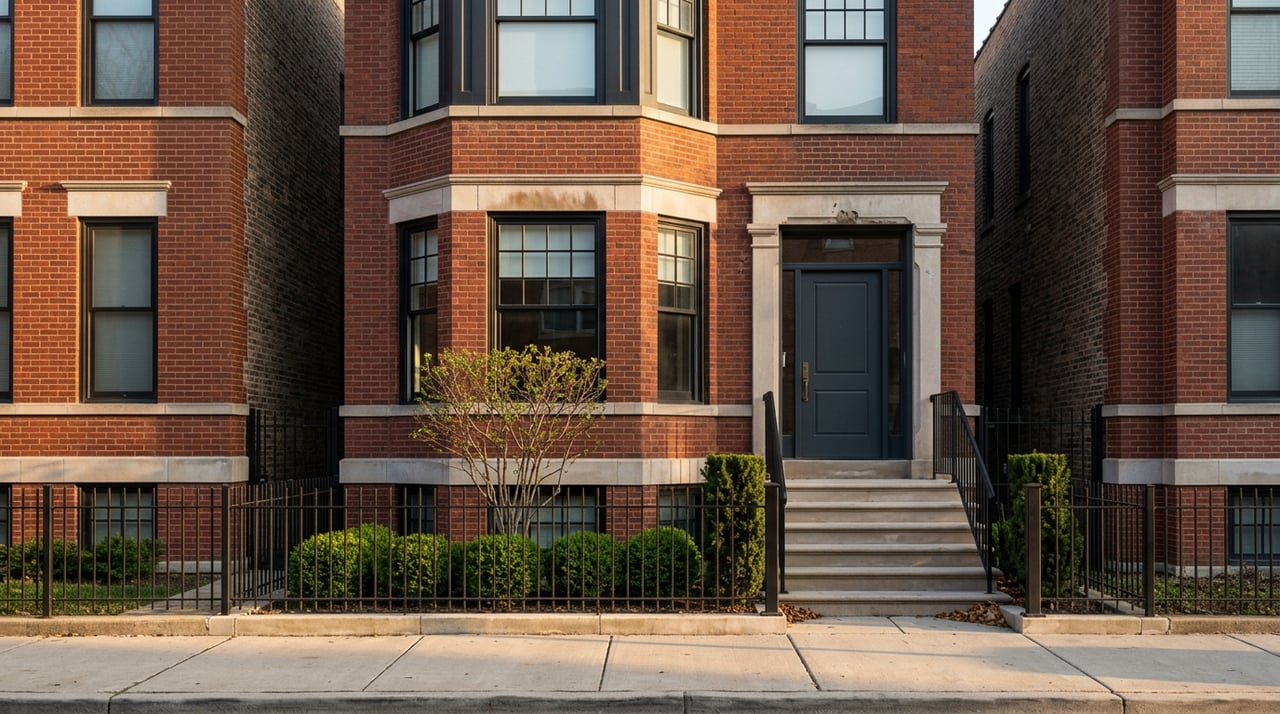
Running numbers on a Bronzeville two-flat or a 6–12 unit walkup can feel tricky. You want a simple, Chicago-savvy way to set rents, pencil expenses, and avoid surprises with taxes, rules, and renovation costs. In this guide, you’ll learn a clear, step-by-step underwriting framework tailored to Bronzeville’s small multi-family stock so you can evaluate deals with confidence. Let’s dive in.
Know Bronzeville’s setting and demand
Bronzeville spans parts of the Douglas and Grand Boulevard community areas on Chicago’s Near South Side. The housing stock includes classic brick two-flats, early 1900s walkups, and small masonry apartment buildings that match most 2–12 unit buying criteria.
Transit access supports renter demand. The CTA Green Line and nearby Metra stops help many tenants commute without a car. For any target building, verify walk times to transit and major anchors to refine your rent assumptions.
Large projects add long-term upside. The Bronzeville Lakefront plan at the Michael Reese site is a high-profile redevelopment, but timelines can shift. Treat big projects as potential upside, not the basis of your baseline pro forma unless a funded, near-term phase directly benefits your block. You can track project status in coverage of Chicago’s mega-developments.
Build your rent assumptions
Start with in-place rents, then the market
Begin with the current rent roll. Gather lease terms, concessions, and payment history. Then price-check with 3–6 nearby comps for the same unit types. As a cross-check, Bronzeville’s average asking rent sits around 1,500 to 1,540 dollars per month as of early 2026, according to neighborhood rental data. Neighborhood averages help confirm direction, but unit-level comps on the same block are your best guide.
Vacancy, loss to lease, and concessions
For stabilized underwriting, model vacancy and loss to lease in the 4 to 7 percent range. Chicago’s metro vacancy has tracked near 4.7 to 5.0 percent in recent reports, which is a useful benchmark, but small buildings or those needing work warrant the higher end of the range. During lease-up, model concessions separately rather than burying them in vacancy. You can sanity-check assumptions against the broader market context in Chicago multifamily research.
Model operating expenses the right way
Small multi-family expenses can surprise buyers. Use these guideposts to stay disciplined:
- Target an operating expense ratio (OER) of roughly 35 to 45 percent of effective gross income for stabilized apartments. For 2–4 unit buildings, an OER of 40 to 55 percent is common because fixed costs per unit are higher. See an OER overview and typical ranges here.
- Include full line items: property taxes, insurance, owner-paid utilities, repairs and maintenance, landscaping and snow, admin and legal, turnover costs, management fee, and recurring capital replacement.
- Budget a management fee at about 6 to 10 percent of collected rents for small buildings, or a per-building minimum if offered by a local manager. Fee structures vary, so confirm with local firms, which often quote within that band in Chicago markets as noted by a property management resource.
- Always collect the last 12 months of invoices. Prior owner costs are not perfect, but they keep your model grounded.
Reserves and capital planning
Even a light value-add needs reserve planning. A common rule of thumb is 250 to 500 dollars per unit per year for replacement reserves, or 1 to 3 percent of property value. These are starting points. A property condition or capital needs assessment should drive your final number. See reserve budgeting guidance here.
For renovations, get two local contractor bids for the exact scope. In Bronzeville’s older housing stock, scope can escalate with code items or unforeseen systems. Add a 10 to 20 percent contingency to both cost and time, and plan for permitting lead times.
Financing and lender triggers
The financing lane depends on unit count. One to four unit properties often qualify for residential or portfolio loans. Five or more units typically fall under commercial multifamily products. Engage lenders early so you know program fit, required reserves, and covenants.
Commercial lenders underwrite debt service coverage ratio (DSCR). Many target about 1.20 to 1.35 for stabilized assets, with exact thresholds set by program. Market rates and terms change, so get quotes for your specific deal. Recent agency disclosures illustrate DSCR targets in that range for multifamily pools, which you can see reflected in recent filings.
Chicago rules, taxes, and compliance that move numbers
- Chicago’s Residential Landlord and Tenant Ordinance (RLTO) governs deposits, required notices, and most lease terms inside city limits. Build timing for notices and any eviction-related turnover into your cash flow. You can review a widely used RLTO summary and lease form.
- Property taxes are material in Cook County. A 2024 cycle summary noted an overall county tax increase of roughly 4 percent, though results vary by submarket and appeals. Always pull the subject parcel’s latest assessed value and tax bill before you finalize your model. See Illinois’ press release on assessment context here.
- Lead-safe work rules apply for most pre-1978 buildings. If you disturb paint, the EPA Renovation, Repair and Painting (RRP) rule requires certified renovators and lead-safe practices. Budget for proper protocols and disposal to avoid costly fines. Learn about RRP training and requirements here.
- Bronzeville includes designated landmarks and historic resources. Exterior changes in landmark districts may require review by the Commission on Chicago Landmarks, which can influence cost and timing. Check a building’s status early using the city’s historic status resources here.
- Short-term rental use is regulated in Chicago. Many buildings are ineligible and registration is required. If STR is part of your plan, confirm eligibility and process up front using the city’s shared housing guidance summarized here.
Valuation checks that keep you safe
Underwriting is about turning rent and expense assumptions into clear metrics you can compare to the Chicago market.
- Define NOI: Effective gross income minus operating expenses and recurring reserves, excluding debt and one-time CapEx.
- Cross-check cap rate: Stabilized NOI divided by the price. Compare your implied purchase cap rate to recent Chicago context, which has traded near the mid-6 percent range with variation by submarket and building class. Use this as a sanity check against market reports.
- Test DSCR and debt yield: Lenders key off DSCR and sometimes debt yield. Stress-test these with rate increases and slightly higher expenses.
- Focus on cash-on-cash: After debt service, divide your annual pre-tax cash flow by your invested equity. Build a simple sensitivity with higher vacancy, higher expenses, and interest rate shocks to see your downside.
Diligence and fieldwork checklist
Use this quick list to get your file investor-ready and cut surprises:
- Verify: rent roll matches leases and bank deposits. Confirm tenant security deposits and RLTO-compliant receipts.
- Pull: three years of operating statements if available, 12 months of invoices, the current tax bill and assessor parcel report, certificate of occupancy or open violations, and permit history.
- Inspect: roof, porches, basements, boilers or water heaters, electrical panels, plumbing risers, meter separation, signs of water infiltration, and common area maintenance.
- Environmental: consider a Phase I or at least a site history if near industrial uses or large redevelopment sites. Plan lead assessment if major interior work is planned.
- Contractual: confirm meter separation, parking allocation, lease terms and any owner-occupied exemptions, and HOA or condo restrictions if applicable.
- Finance: pre-qualify with lenders early to understand LTV, DSCR, interest rate, and reserve requirements.
Exit strategies and the Bronzeville buyer pool
Most small multi-family exits in Bronzeville follow a few patterns:
- Hold and refinance after you stabilize rents and operations.
- Sell to a local buy-and-hold investor. Many 2–4 unit buildings also sell to owner-occupants.
- Value-add sell: renovate and re-tenant to demonstrate higher NOI, then sell at a tighter cap.
- Specialized conversions: STR, ADUs, or condo conversions may be options, but each has legal and market hurdles. Validate demand and eligibility before you bank on these paths.
A 10-step Bronzeville underwriting workflow
- Gather the rent roll, leases, and payment history. Photograph unit finishes and systems for scope planning.
- Confirm unit count, utilities, meters, mechanicals, roof and porch age, and pull the permit and violation history.
- Build a market rent table with 3–6 comps per unit type. Use Bronzeville averages as a cross-check, not a driver.
- Set stabilized vacancy and loss to lease at 4 to 7 percent. Model any lease-up concessions explicitly in year one.
- Estimate OER at 35 to 45 percent for 5+ units, and 40 to 55 percent for 2–4 units. Items include taxes, insurance, owner-paid utilities, R&M, landscaping and snow, legal and admin, turnover, management, and reserves.
- Add replacement reserves of 250 to 500 dollars per unit per year to start. Replace with a capital needs assessment when available.
- Draft a renovation scope with two local bids. Add 10 to 20 percent contingency and plan for permitting time.
- Engage lenders. For 1–4 units, explore residential and portfolio programs. For 5+ units, discuss commercial options and DSCR targets.
- Build your pro forma: EGI, expenses, NOI, DSCR, debt yield, cash-on-cash, and a cap-rate cross-check against Chicago’s mid-6 percent context.
- Run sensitivities: higher vacancy, higher expenses, and interest rate shocks. Make your offer range reflect both base case and downside.
What to verify before you offer
- Pull parcel-level assessment and tax details using Cook County portals. County tax trends show movement, so verify the current bill and watch for reassessment impacts. See Illinois’ assessment context here.
- Ask a local broker for 3–6 comps of small buildings on the same block face or sub-block. Small-building comps matter more than neighborhood averages.
- Get two local GC bids for unit turnover, systems, and porch work. If the building predates 1978, request RRP-certified pricing.
- Pre-qualify with two lenders, one residential portfolio and one small-balance commercial, to compare DSCR limits, reserves, and rate structures.
Ready to pressure test a real deal and lock in the right offer strategy? Book a Market Strategy Call with Amanda Stapleton. You’ll get local comps, a clean underwriting model, and a plan to win the right building at the right price.
FAQs
What cap rate should I expect in Chicago small multifamily?
- Recent reports show Chicago multifamily trading near the mid-6 percent range, with variation by submarket and asset quality, so compare your implied cap to that context.
How should I set vacancy for a Bronzeville underwrite?
- Use 4 to 7 percent for stabilized modeling, since metro vacancy has tracked around 4.7 to 5.0 percent and small buildings or value-adds may need a higher buffer.
What are average asking rents in Bronzeville right now?
- Bronzeville’s average asking rent is roughly 1,500 to 1,540 dollars per month as of early 2026, based on neighborhood rental data.
Which Chicago landlord rules affect my underwriting most?
- The RLTO governs deposits, required notices, and lease terms inside Chicago, so build notice periods and any eviction timelines into your cash flow using this summary and lease form.
Do Bronzeville landmark rules change exterior renovation plans?
- Many Bronzeville properties are near or within historic resources, so exterior work may require Landmarks review that affects cost and timing; check status early here.
Are short-term rentals allowed in Bronzeville?
- Chicago requires registration for shared housing and many buildings are ineligible, so confirm STR eligibility and process upfront using the city’s rules summarized here.
