
Looking for a home that gives you more room without making daily life harder? If your current place feels tight, Orland Park stands out as a suburb where space and convenience often go together. You can find a strong single-family housing base, yard-oriented neighborhoods, and practical access to parks, shopping, and commuter options. Let’s dive in.
Why Orland Park works for move-up buyers
Orland Park fits the profile many move-up buyers want. The village has 58,020 residents and 23,256 households, with an owner-occupied housing rate of 85.8%. That points to an established housing market where ownership is the norm rather than the exception.
The local household mix also supports the move-up story. About 68.7% of households are family households, the average household size is 2.5, and 22.4% of households have four or more people. If you have outgrown a starter home, those numbers reflect a community where needing more room is a common next step.
Financially, Orland Park shows the stability many buyers look for in a long-term move. The median value of owner-occupied homes is $367,200, and median household income is $98,910. Together, those figures suggest a well-established suburban market with staying power.
More space is a real advantage
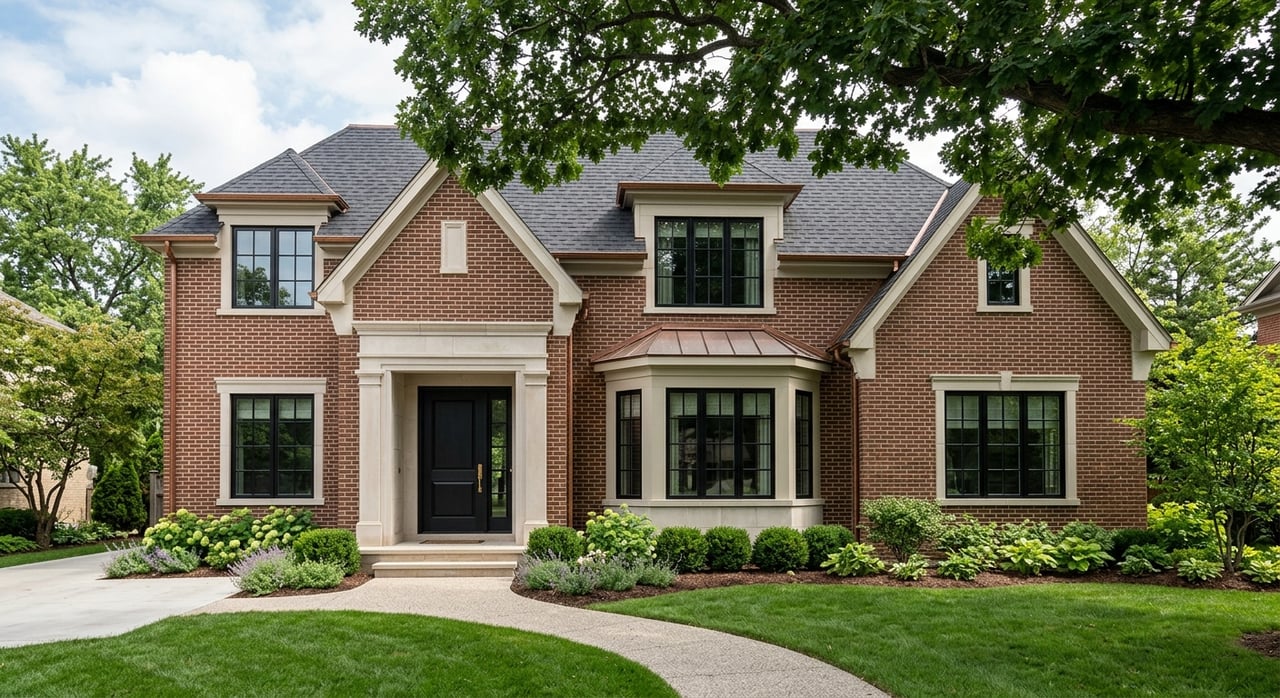
If your goal is more square footage, more bedrooms, or a better layout for work and life, Orland Park gives you a strong starting point. Detached single-family homes make up 57.5% of the housing stock, and single-family attached homes add another 21.1%. That means the market is still anchored by homes designed for everyday space and flexibility.
The housing stock also tends to be roomier than many buyers expect. The median home has 6.5 rooms, while 21.8% of homes have four bedrooms and 6.3% have five or more bedrooms. For you, that can translate into options for a guest room, home office, playroom, workout room, or simply a little more breathing room.
A lot of Orland Park’s homes were built during decades when larger suburban layouts were common. The median year built is 1988, with 41.9% of homes built from 1970 to 1989 and 39.4% built from 1990 to 2009. That often means floor plans and lot patterns that support the kind of move-up lifestyle buyers are after.
Lot sizes support a yard-oriented feel
Space is not only about what is inside the home. In Orland Park, zoning standards help show what the village’s residential pattern looks like on the ground. In the R-1 district, a single-family lot must be at least 21,780 square feet and 125 feet wide.
In the R-2 district, the minimum lot size is 15,000 square feet and 100 feet wide. In the R-3 district, the minimum is 10,000 square feet and 80 feet wide. A recent village plan commission item for Estates at Ravinia Meadows noted lots ranging from 10,000 to 16,000 square feet that complied with R-3 standards.
Those standards matter because they help explain why Orland Park often feels more spacious than denser areas. The village code also limits lot coverage in R-1 to 40% for principal structures, pavement, and accessory structures. In practical terms, that supports the yard-oriented setting many move-up buyers want.
The land use still feels suburban
Orland Park’s broader land-use picture reinforces the same idea. Single-family residential land accounts for 5,405.4 acres, or 37.9% of the village’s land use. Open space adds another 12.7%.
That balance can make a real difference in how your day-to-day environment feels. If you are moving from a smaller home or a more crowded setting, the combination of single-family neighborhoods and meaningful open space can feel like a clear upgrade.
Daily convenience is part of the appeal
More space only works if your routine still feels manageable. Orland Park performs well on that front because it combines suburban housing with a strong lineup of daily-use amenities. You are not choosing between room to spread out and practical convenience.
One of the biggest local draws is Orland Square. It is known as a major shopping and dining destination in the southwest suburbs, with three anchor stores, more than 150 shops, and free parking. Orland Park’s total retail sales reached $2.70 billion in 2022, which helps explain why errands, dining, and retail access are such a big part of the convenience story here.
The Orland Park Public Library is another standout civic amenity. It serves residents from a 93,000-square-foot building at 14921 Ravinia Avenue and offers broad public hours, including evenings and Sundays. For many households, that kind of reliable community resource adds value well beyond books.
Parks and recreation make room feel bigger
Your home search is also about how you want to live outside your front door. Orland Park’s Recreation and Parks Department says the village has more than 650 acres of park land. The system includes parks, trails, aquatic facilities, and recreation programming.
The official park amenities include bike paths, walking paths, playgrounds, fishing areas, and seasonal recreation spaces. If you want more opportunities to get outside without leaving town, that is a meaningful advantage. It can make your home feel connected to a bigger lifestyle, not just a bigger floor plan.
The village also offers major recreation facilities that support busy routines. The Sportsplex includes a fitness center, indoor track, child care, group exercise classes, and a 32-foot climbing wall. The Orland Park Health and Fitness Center at 15430 West Avenue adds another local option for staying active close to home.
Commuting is practical, but car-first
For many move-up buyers, convenience includes getting to work, appointments, and regional destinations without too much friction. Orland Park is best understood as a driving suburb with transit support. In the local data, 71.6% of workers drove alone, 7.7% carpooled, and 14.8% worked from home.
Only 3.7% used transit, and the mean commute time was 33.7 minutes. Household vehicle availability also supports the car-first pattern. Just 3.9% of households had no vehicle, while 41.3% had two vehicles and 20.5% had three or more.
That setup can work well if you want the flexibility of suburban living without giving up all regional connections. In many cases, buyers moving up in space also want practical parking, garages, and easier multi-car living. Orland Park lines up well with that kind of routine.
Metra and Pace add regional access
Even though Orland Park is car-oriented, you still have useful transit options. Metra’s SouthWest Service serves the village with stations at 143rd Street, 153rd Street, and 179th Street. The 143rd Street station has 417 parking spaces, and the 153rd Street station has 1,364 parking spaces plus ticket vending machines.
That parking supply is important because it makes weekday rail commuting more practical for many households. At the same time, it is worth knowing that SouthWest Service does not operate on weekends or holidays. It works best as a weekday commuter line, not as a seven-day transit solution.
Pace also adds useful connections. Route 379 links Orland Square with the CTA Orange Line at Midway and Moraine Valley College. Route 832 runs on weekdays between Joliet and Orland Park and serves both Orland Square and the 153rd Street Metra station, while Route 364 also serves Orland Square and the 159th Street corridor.
What kind of homes fit best here
For most move-up buyers, detached single-family homes are the clearest fit in Orland Park. They align with the village’s housing mix, land use, and lot standards. If your top priorities are more bedrooms, a yard, storage, and layout flexibility, this is where the market tends to stand out.
Single-family attached homes can also be worth a look if you want more space with potentially less exterior upkeep. Low-rise multifamily exists as well, though it plays a smaller role in the housing stock. The right fit depends on whether your version of moving up means maximizing square footage, simplifying maintenance, or balancing both.
How to think about your move-up search
When I work with buyers making a move-up purchase, I always recommend focusing on how you actually use space every day. The headline numbers matter, but so does the way the home supports your routine. A fourth bedroom sounds great, but it matters even more if it solves a real need like remote work, overnight guests, or a second living area.
It also helps to think beyond the house itself. In Orland Park, the value story is often the combination of home size, lot pattern, parks, retail access, and commuter practicality. That blend is what makes the village appealing for buyers who want a suburban upgrade without losing convenience.
If you are weighing Orland Park against other suburban options, a clear plan can help you compare them the right way. I can help you look at space, layout, daily routine, and long-term fit so you can make a move that feels smart now and still works later.
Ready to make your next move with a clear strategy? Connect with Amanda Stapleton to talk through your goals and find the right fit in Orland Park.
FAQs
What makes Orland Park appealing for move-up home buyers?
- Orland Park offers a strong single-family housing base, roomier homes, yard-oriented lot patterns, and practical access to parks, shopping, and commuter options.
What types of homes are common in Orland Park for move-up buyers?
- Detached single-family homes are the largest housing type at 57.5% of the market, with single-family attached homes making up another 21.1%.
How much space can buyers expect in Orland Park homes?
- Local housing data shows a median of 6.5 rooms per home, with 21.8% of homes offering four bedrooms and 6.3% offering five or more bedrooms.
Are lot sizes in Orland Park larger than in denser areas?
- Village zoning standards require minimum single-family lot sizes ranging from 10,000 square feet in R-3 to 21,780 square feet in R-1, which supports a more spacious residential pattern.
Is Orland Park good for commuters who drive?
- Yes. The area is clearly car-first, with 71.6% of workers driving alone and many households having two or more vehicles.
Does Orland Park have train access for weekday commuting?
- Yes. Metra’s SouthWest Service stops at 143rd Street, 153rd Street, and 179th Street in Orland Park, though the line does not operate on weekends or holidays.
What amenities support daily convenience in Orland Park?
- Key amenities include Orland Square, the Orland Park Public Library, more than 650 acres of park land, trails, recreation facilities, and regional Pace bus connections.
