
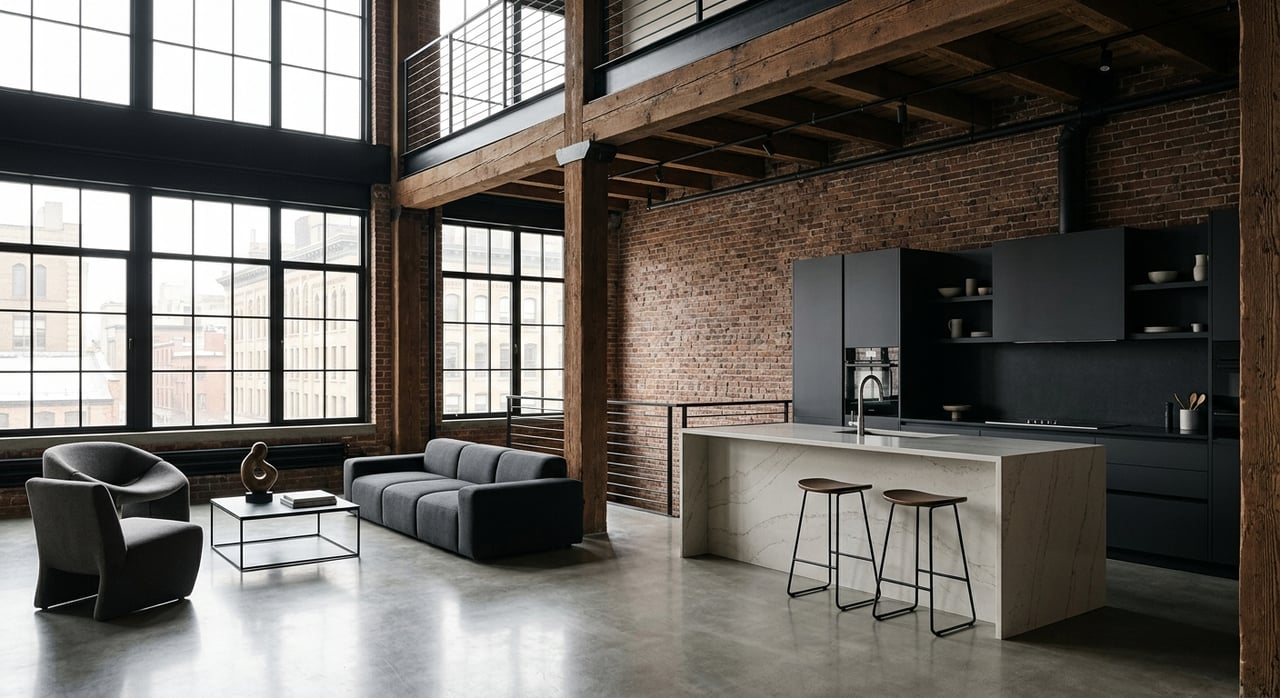
Trying to choose between a sleek new condo and a character-filled loft in South Loop? You are not alone. This neighborhood gives buyers two very different ways to live, and the right choice often comes down to your daily routine, your budget, and how much building history or building convenience matters to you. If you are weighing both options, this guide will help you compare the tradeoffs that matter most. Let’s dive in.
Why South Loop Gives You Two Distinct Choices
South Loop is not a one-style market. According to Redfin’s South Loop housing market data, the neighborhood was somewhat competitive in February 2026, with a median sale price of $380K and a median price per square foot of $346.
What makes South Loop especially interesting is that you are often comparing two very different housing types. On one side, you have newer high-rise and master-planned condo buildings. On the other, you have older loft buildings tied to the area’s industrial and printing past.
That split is not just about looks. It can affect your floor plan, monthly costs, maintenance exposure, and even how the building is governed. In South Loop, the smarter comparison is often not price alone, but ownership style.
Historic Lofts in Printer’s Row
South Loop’s loft identity is closely tied to Printer’s Row and the South Loop Printing House District. This historic area grew out of the neighborhood’s role as a major printing center, and many of the buildings were later converted into residential lofts starting in the mid-1970s.
That background helps explain why lofts feel so different from newer condos. Early industrial loft buildings in Chicago were designed with masonry facades, large window openings, and open interior plans supported by steel or reinforced concrete frames, according to an Illinois historic building report.
For you as a buyer, that often means higher ceilings, visible structural elements, and a more distinctive layout. It also means you may need to think more carefully about furniture placement, storage, and how the space functions day to day.
What Buyers Often Love About Lofts
Historic lofts usually appeal to buyers who want a home with visible character rather than a polished, uniform finish. Features like exposed structure, large windows, and industrial details can create a living experience that feels hard to duplicate in a newer building.
There is also a scarcity factor. Because the supply of true historic loft inventory is limited, these homes can attract buyers who value authenticity and architectural identity over a more standard condo product.
What to Review More Carefully
With older conversions, building upkeep matters. The key shared elements to review include windows, roof, masonry, elevators, and building-wide mechanical or plumbing systems.
You will also want to understand whether the association has the reserves to handle future work. Under Illinois condominium law, associations can levy special assessments as common expenses, so it is important to know if major work is already planned or likely.
New Construction in South Loop
New-construction condos offer a very different value proposition. In South Loop, newer projects often focus on streamlined layouts, contemporary finishes, and an amenity-rich lifestyle.
A current example is The Reed at Southbank, which offers one-, two-, and three-bedroom floor plans with open layouts, floor-to-ceiling windows, private balconies, smart thermostats, keyless entry, and in-unit washer and dryer hookups. Interior finishes also include 9-foot concrete ceilings and wide-plank flooring.
For many buyers, this kind of product feels easier to live in right away. The room shapes are typically more standardized, finishes are newer, and there may be fewer immediate repair concerns than in an older building.
What Buyers Often Love About New Construction
The biggest draw is predictability. You are usually getting a more turnkey home, modern systems, and a building designed around today’s lifestyle expectations.
Amenities can also be a major part of the appeal. At The Reed’s amenity program, offerings include more than 27,000 square feet of shared amenities such as an outdoor pool, cabanas, fire pits, a river lounge and dining room, package receiving with cold storage, dry-cleaning drop-off, bike storage, EV charging, fitness spaces, study rooms, and a 24/7 front desk. The project is also being built to LEED Gold, Fitwel, and ENERGY STAR standards.
What to Review More Carefully
Even in a newer building, the association still deserves close review. Fannie Mae’s project standards say lenders should evaluate project budgets, financial statements, reserve studies, and any current or planned special assessments.
Fannie Mae also notes that projects budgeting less than 10% of assessment income toward reserves may carry higher risk of deferred maintenance and future special assessments. In newer projects, you should also ask whether the building is complete, still being phased, or still under developer control.
New Construction vs. Loft Living
If you are deciding between the two, it helps to compare how each option affects your everyday experience.
| Factor | New-construction condo | Historic loft |
|---|---|---|
| Feel | Sleek, modern, and turnkey | Character-rich and distinctive |
| Layout | More standardized floor plans | More open, less conventional room shapes |
| Finishes | Contemporary materials and newer systems | Original industrial details and older architectural elements |
| Amenities | Often extensive and service-oriented | More building-specific and usually less amenity-driven |
| Maintenance focus | HOA reserves, developer control, future budget planning | Windows, masonry, roof, elevators, and reserve strength |
| Monthly cost structure | Dues may be higher in amenity-heavy buildings | Dues vary, but future capital work can be a key issue |
| Buyer appeal | Buyers who want convenience and current design | Buyers who want authenticity and limited-supply product |
Neither option is automatically better. The better fit depends on what you want your home to do for you.
How HOA Costs Change the Equation
One of the biggest mistakes buyers make is focusing only on mortgage payment and purchase price. In South Loop, HOA dues can materially change the cost of ownership, especially in buildings with large amenity packages.
The Consumer Financial Protection Bureau notes that condo and HOA dues are usually paid directly to the association and can range from a few hundred dollars per month to more than $1,000. That means your real monthly housing cost may feel very different from what the listing price suggests.
In a newer building, higher dues may reflect services and amenities you use regularly. In a loft building, the bigger question may be whether the current budget and reserve planning are enough to cover future work without surprise assessments.
What to Ask Before You Buy
Whether you lean modern or historic, the most useful documents often tell you more than the finishes do. Before making a decision, ask to review:
- The association budget
- The reserve study
- Recent board minutes
- Any disclosure of current or planned special assessments
- Information about major completed or upcoming building repairs
According to Fannie Mae’s guidance, these documents can help clarify the reason, amount, repayment terms, and building-wide impact of special assessments. That matters because a beautiful unit in a poorly planned building can become far more expensive than it first appears.
Which South Loop Option Fits You Best?
A new-construction condo may be the better fit if you want modern finishes, clear room definitions, full-service amenities, and fewer near-term repair concerns. If your priority is convenience and a more turnkey ownership experience, newer inventory may check more boxes.
A historic loft may be the better fit if you care most about architectural character, higher ceilings, exposed structure, and a home that feels different from standard condo inventory. If you are comfortable evaluating building condition and association planning, the payoff can be a more distinctive living experience.
In a neighborhood with a median sale price around $380K, the smartest question may not be which product is better on paper. It may be which tradeoffs you will feel best about living with over the next five to ten years.
If you want help comparing South Loop condos and lofts through the lens of monthly cost, resale potential, and building risk, Amanda Stapleton can help you build a strategy around how you actually want to live.
FAQs
What is the difference between South Loop new construction and historic loft living?
- New-construction condos in South Loop typically offer modern finishes, more standardized layouts, and larger amenity packages, while historic lofts usually offer more architectural character, open layouts, and features tied to the neighborhood’s industrial past.
Are South Loop lofts usually older buildings?
- Yes. Many South Loop lofts are in converted industrial and printing-era buildings, especially around Printer’s Row and the South Loop Printing House District.
Do new-construction condos in South Loop have higher HOA dues?
- They can. The CFPB notes condo and HOA dues can range from a few hundred dollars to more than $1,000 per month, and amenity-heavy buildings often have higher dues because more services are included.
What should you review before buying a historic loft in South Loop?
- You should review the association budget, reserve study, board minutes, and any disclosures about special assessments, while paying close attention to windows, masonry, roof, elevators, and shared systems.
What should you ask before buying a new South Loop condo?
- You should ask whether the project is complete, still under developer control, how reserves are funded, and whether there are any current or planned special assessments.
Is South Loop a competitive market for condos and lofts?
- According to Redfin, South Loop was somewhat competitive in February 2026, with a median sale price of $380K and a median price per square foot of $346.
