
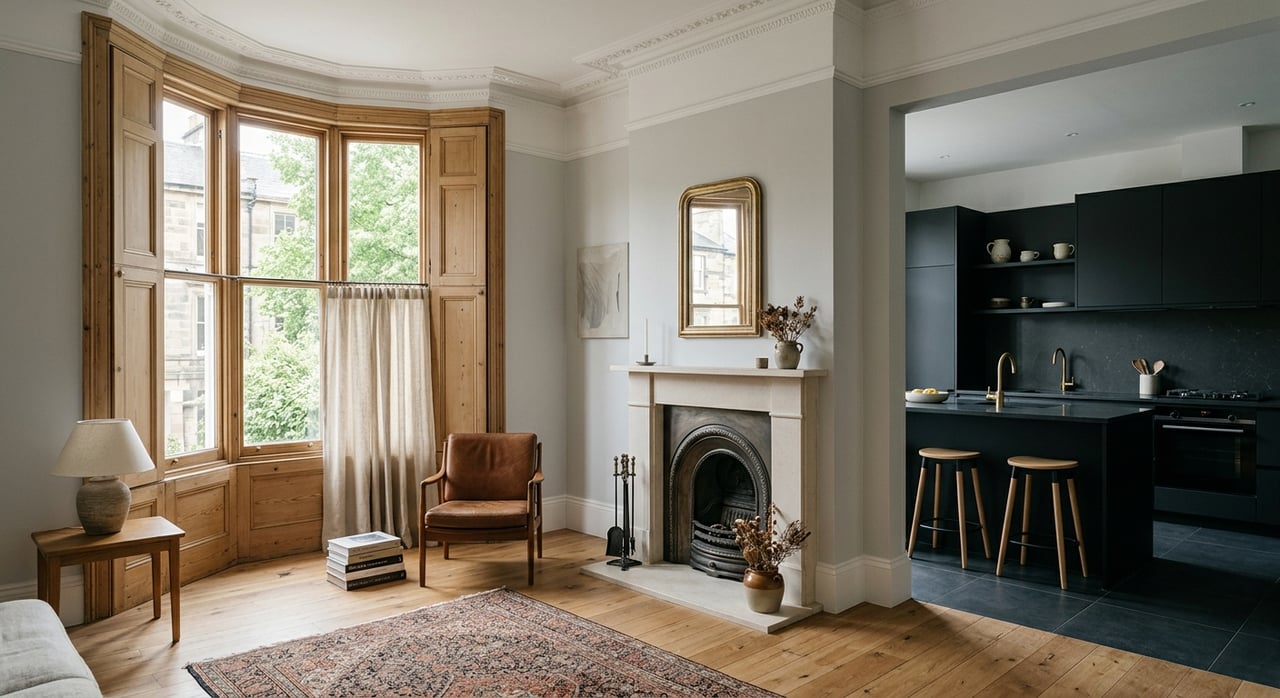
Bronzeville has a way of catching your eye fast. Maybe it is the limestone facades, the bay windows, or the feeling that these homes have real presence on the block. If you are drawn to architecture with history but still want a home that can support how you live now, Bronzeville’s greystones and vintage flats deserve a closer look. Here’s why these classic Chicago properties continue to attract modern buyers in Bronzeville.
Bronzeville offers architecture with identity
Bronzeville sits just south of Downtown Chicago, and its built environment carries a strong sense of place. The neighborhood includes the City-designated Black Metropolis-Bronzeville Historic District, and the Bronzeville-Black Metropolis National Heritage Area was designated by Congress in 2023 to support preservation, tourism, and interpretation.
That matters because buyers are not just looking at an individual property. You are also buying into a neighborhood story, a street presence, and an architectural legacy that feels distinct from newer construction. The Chicago Architecture Center describes Bronzeville as home to some of Chicago’s most distinguished residential architecture, including one of the city’s largest concentrations of historic mansions.
Greystones feel distinctly Chicago
A greystone is more than a look. Landmarks Illinois defines it as a construction type with a Bedford limestone street facade, vertical proportions, and a form that was especially popular from about 1890 to 1930.
In practical terms, that means you get a home with visual weight and lasting curb appeal. Greystones appeared in several formats, including workers cottages, two-flats, rowhouses, and mansions, and the limestone front was designed to work well on Chicago’s narrow lots. Landmarks Illinois identified prominent concentrations along and near King Drive, linking this building type directly to Bronzeville’s streetscape.
Why buyers respond to greystone exteriors
Modern buyers often want a home that feels substantial without feeling oversized. Greystones check that box through durable masonry construction, strong vertical lines, and decorative details that create a more permanent street presence than typical frame construction.
That visual character still resonates today. You can see it in the formal entries, textured stonework, and the way these homes create a cohesive block face. For buyers who care about design, that kind of authenticity is hard to replicate.
Vintage flats offer flexibility
Chicago’s two- and three-flats remain one of the city’s most important housing types. According to the Chicago Architecture Center, they make up about a quarter of Chicago’s housing, and many were built between 1900 and 1920.
That staying power helps explain their appeal. A typical flat often includes one apartment per floor, bay windows, and a brick or greystone facade. Historically, these buildings were also used as wealth-building properties, with rental income helping owners cover the mortgage.
Why the layout still works today
This is where Bronzeville vintage flats connect especially well with modern buyers. The classic arrangement often places an entry porch to one side, a projecting bay on the other, and an ornate cornice above, which gives the building a clear identity from the street while preserving strong separation between units inside.
For you, that can translate into options. Depending on the property, a vintage flat may support owner-occupancy, multigenerational living, or rental income. Buyers who want character and flexibility in one package often see that as a major advantage.
Interior details still carry value
One reason older Chicago homes continue to stand out is the floor-plan character. Preserved greystones and vintage flats often include entry vestibules, stair halls, dining rooms, living rooms, parlors, original molding and trim, built-ins, fireplace mantels, interior doors and hardware, railings, and original flooring.
These details do more than add charm. They create a sense of separation, scale, and craftsmanship that many buyers still want. In a market where some newer homes can feel generic, original architectural features help a property feel memorable.
Bay windows and room sequence matter
The Chicago Architecture Center notes that bay windows became popular because they brought in more light and expanded living space in greystones, two-flats, and bungalows. That design choice still matters to buyers who want brighter interiors and more usable front rooms.
Older Chicago layouts also tend to separate public rooms from private or service spaces. That is part of why many renovations focus on kitchens, baths, and rear circulation while leaving the front-of-house room sequence intact. You can modernize the function without losing the structure that gives the home its personality.
Updates can respect the original character
For many buyers, the appeal of Bronzeville architecture depends on whether an older property can support modern living. The good news is that preservation guidance points to a realistic path: improve the systems and comfort features while protecting the spaces and details that define the home.
Landmarks Illinois identifies common rehab issues such as deteriorating masonry, leaking roofs, damaged cornices and chimneys, worn porches and entries, aging windows and doors, and outdated heating, plumbing, and electrical systems. Those are the areas buyers and owners often evaluate first.
Common modern improvements
Updates often focus on comfort, efficiency, and safety, such as:
- Energy assessments
- Air sealing
- Insulation upgrades
- Modern furnaces or boilers
- Central or high-velocity air conditioning installed within existing walls and ceilings
- Code-compliant electrical updates
- Water-conserving plumbing fixtures
This approach works because it improves daily life without removing the details that make the home special. In many cases, the best renovations are the ones that feel almost invisible from the front rooms.
Preserve character where it counts
A common preservation rule is to modernize where function lives, not where character lives. Landmarks Illinois recommends preserving primary spaces such as stair halls, living rooms, and parlors, while using attics and basements for added space and placing additions at the rear or least character-defining side.
That guidance lines up with what many buyers want now. You may love the original front staircase and molding, but still want updated baths, better climate control, and more useful lower-level space. Bronzeville properties can often support both priorities when renovations are done thoughtfully.
Landmark context can add value
If you are considering a designated landmark property, it helps to understand how review works. The City of Chicago says permit applications are reviewed for work that affects significant historical and architectural features, typically on exterior elevations visible from the public right-of-way.
The city also notes that routine maintenance, such as painting and minor repairs, does not require a building permit. For many buyers, landmark status is not just a restriction to consider. It can also enhance prestige and is often viewed as an asset.
Bronzeville blends history and practical reuse
Bronzeville’s appeal is not limited to homes that remain frozen in time. The neighborhood also reflects a preservation culture that values adaptive reuse, which is one reason it feels relevant to today’s buyers.
A strong example is the Historic Wabash YMCA, where original lodging spaces were adapted into the Renaissance Apartments and community spaces. That kind of project shows how historic fabric can work with present-day needs instead of against them.
Why modern buyers keep choosing these homes
At a high level, Bronzeville greystones and vintage flats offer three things that many buyers want at once: authentic masonry architecture, flexible floor plans, and a practical path to modernization. That combination is hard to find in properties that prioritize newness over identity.
If you are a buyer who values design, long-term usability, and the kind of architectural detail that gives a home lasting presence, Bronzeville stands out. And if you are comparing options across Chicago, these homes offer a clear reminder that character and function do not have to compete.
When you are weighing a historic property, the details matter. Understanding layout, condition, renovation potential, and neighborhood context can help you make a smarter move with more confidence. If you want help evaluating Bronzeville greystones or vintage flats, connect with Amanda Stapleton for a market strategy conversation tailored to your goals.
FAQs
Why are Bronzeville greystones appealing to modern buyers?
- Bronzeville greystones appeal to modern buyers because they combine durable masonry construction, limestone facades, strong architectural character, and a neighborhood setting with recognized historic significance.
What is a Chicago greystone in Bronzeville?
- A Chicago greystone in Bronzeville is a masonry building with a Bedford limestone street facade and vertical proportions, a form that was especially popular from about 1890 to 1930.
Why do Bronzeville vintage flats still work for buyers today?
- Bronzeville vintage flats still work well because their stacked layouts can support owner-occupancy, multigenerational living, or rental income while preserving historic character.
What interior features do buyers like in Bronzeville vintage homes?
- Buyers often respond to entry vestibules, stair halls, dining rooms, parlors, original trim and flooring, built-ins, fireplace mantels, and bay windows that bring in light and expand living space.
What updates are common in Bronzeville greystones and flats?
- Common updates include masonry repairs, roof work, porch and entry repairs, electrical and plumbing upgrades, insulation, air sealing, and newer heating or cooling systems.
What should buyers know about landmark properties in Bronzeville?
- Buyers should know that the City of Chicago reviews permit applications for work affecting significant historic and architectural features, usually on exterior elevations visible from the public right-of-way, while routine maintenance and minor repairs may not require a permit.
